
Baltimore Clinical Rotations
Inpatient Externships at Teaching Hospitals in Baltimore, Maryland for International Medical Graduates and Students

BAL Clinical Placements
Teaching Hospital Rotations
Direct clinical placement and inpatient access in active residency-hosting hospitals and health systems.
Academic Medical Centers
Structured clinical rotations held at university health systems and primary clinical teaching affiliates.
Comprehensive Clinical Access
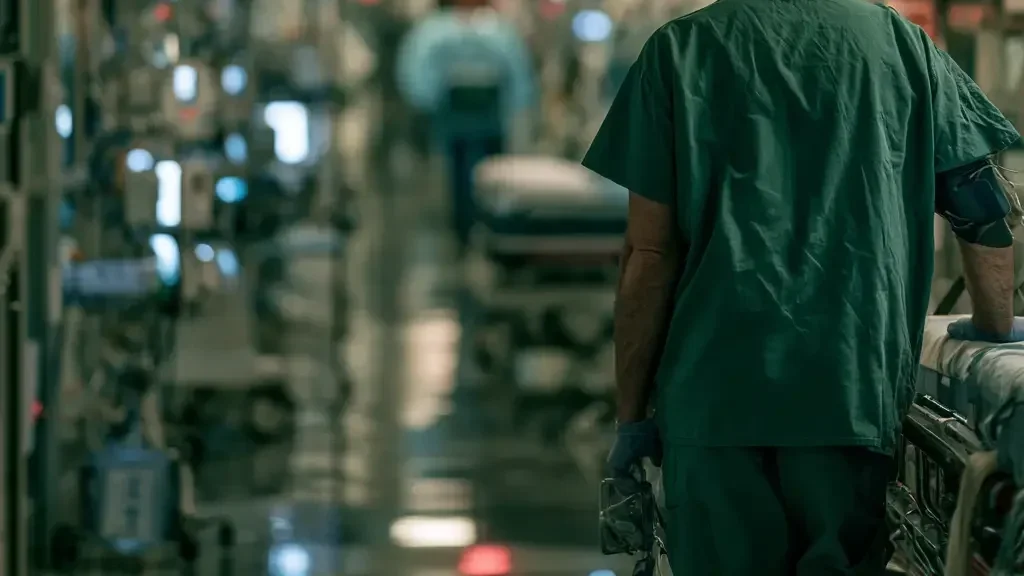
Inpatient hospital-based rotations that include patient rounds, hospital ID badge, and EMR access.
Hospital-Letterhead LORs
Individualized Letters of Recommendation authored by attending faculty on official institutional letterhead.
Baltimore Clinical Preceptors
Residency Affiliations
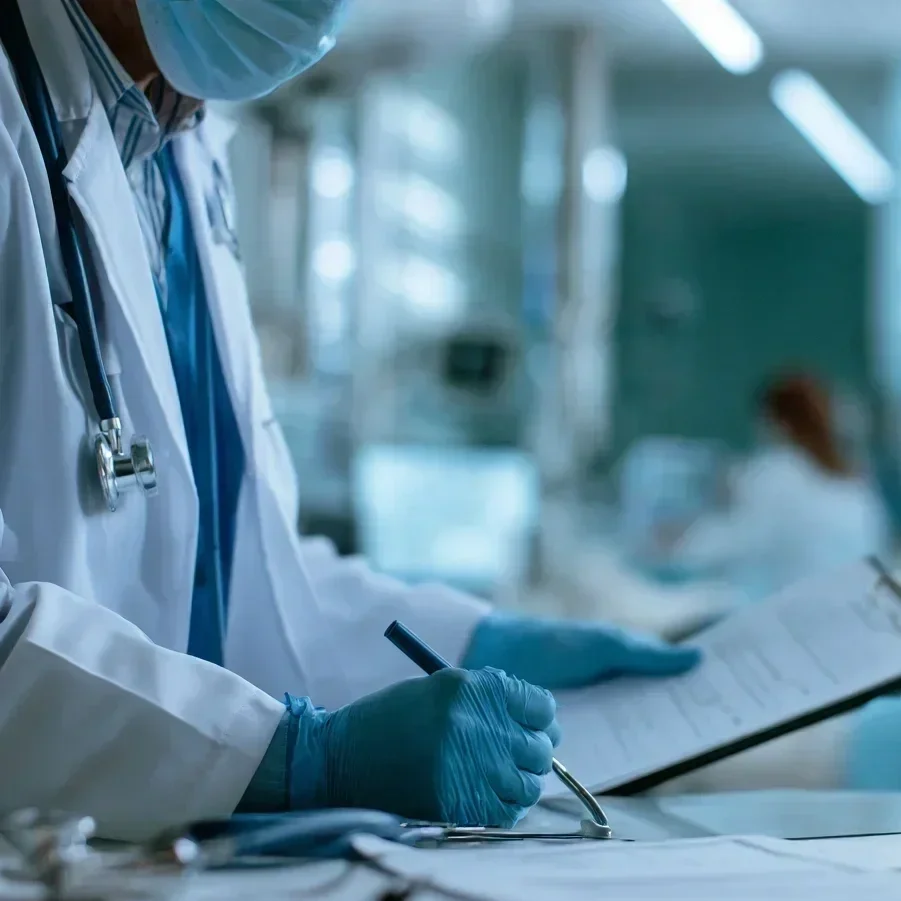
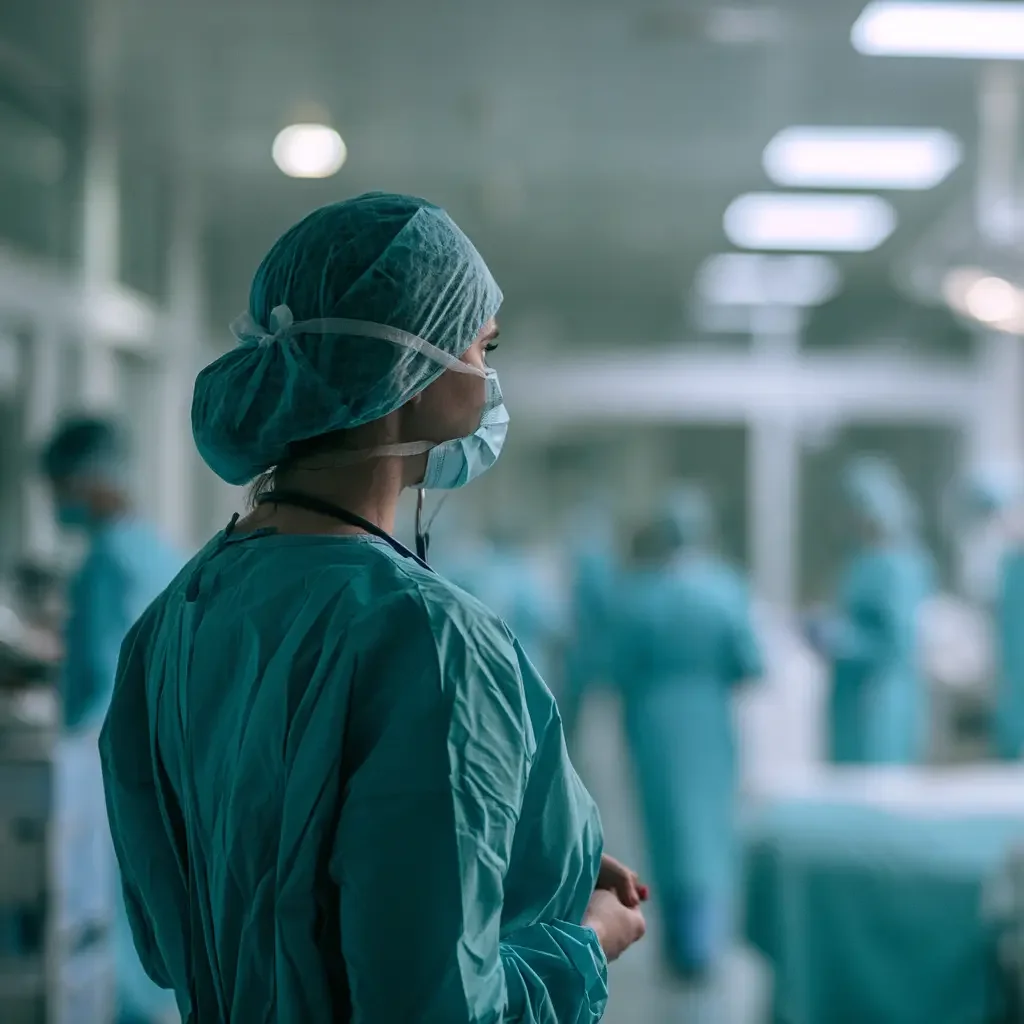
Preceptors who are involved in residency training, clinical rounds, and candidate selection.
Academic Appointments
Academic faculty who serve as Clinical Professors at U.S. medical schools.

Department Leadership
Attending physicians who are Department Chairs, Division Chiefs, and Clinical Directors.
BALTIMORE CLINICAL SPECIALTY INDEX

Core Primary Care
Inpatient hospitalist training, direct clinical management, outpatient care continuity, and preventive care protocols.
Surgical Disciplines
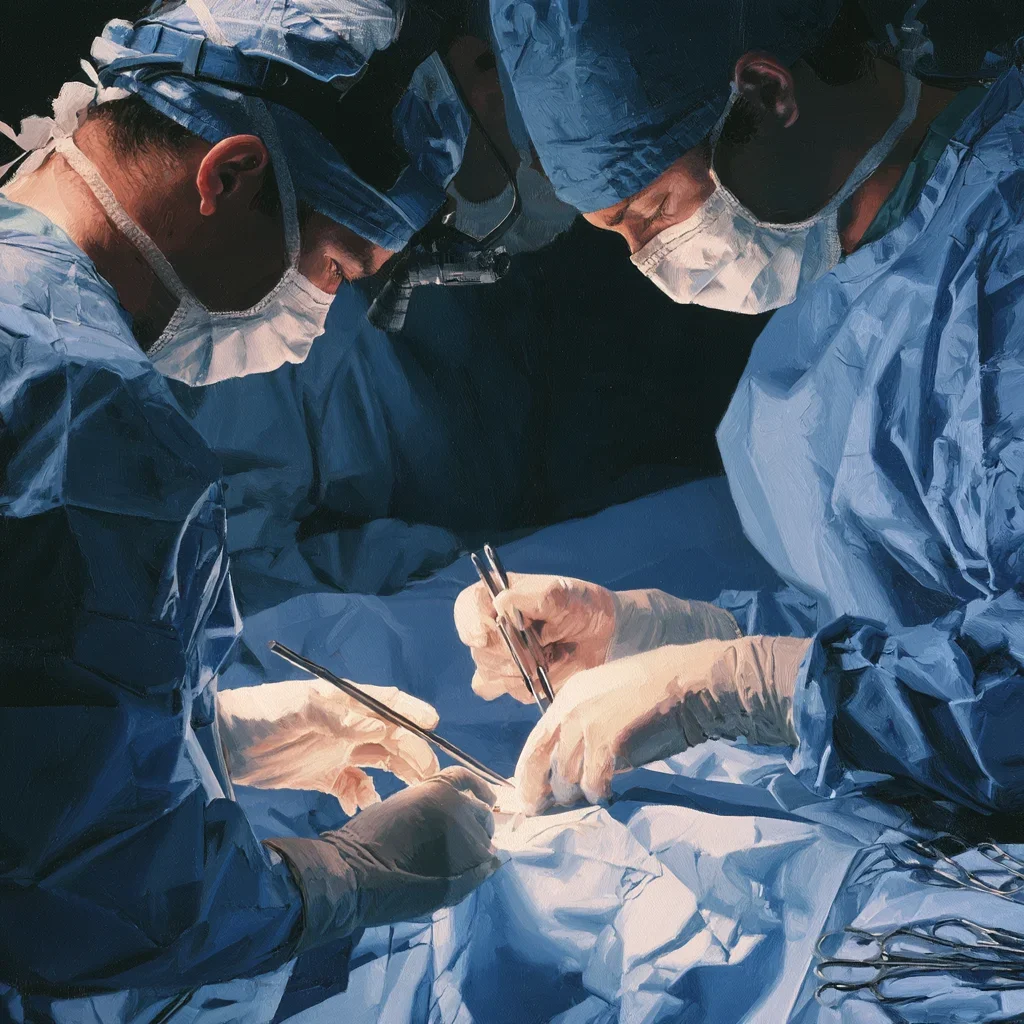
Operating room scrub access, pre-op/post-op care management, and procedural skill development.
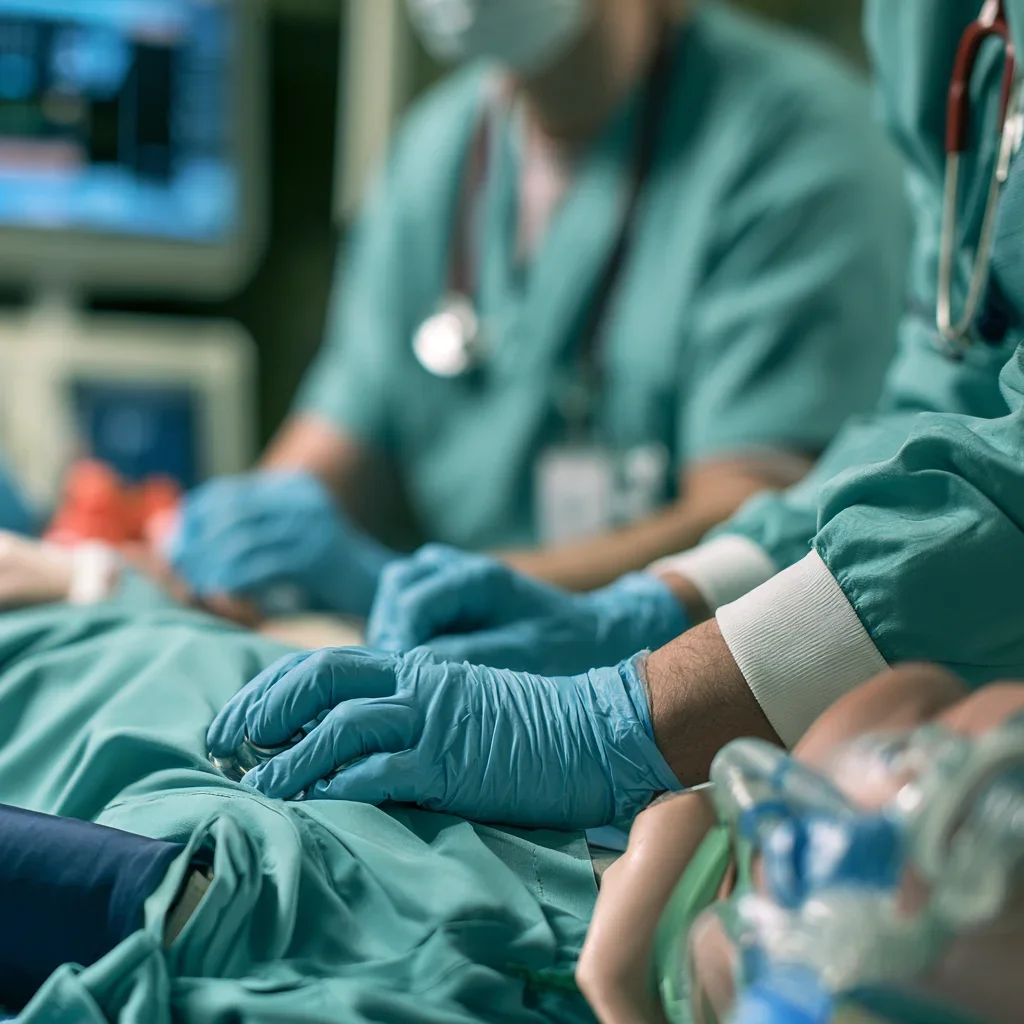
Medical Subspecialties
Inpatient consult rounds, complex multisystem disease management, and advanced diagnostic algorithms.
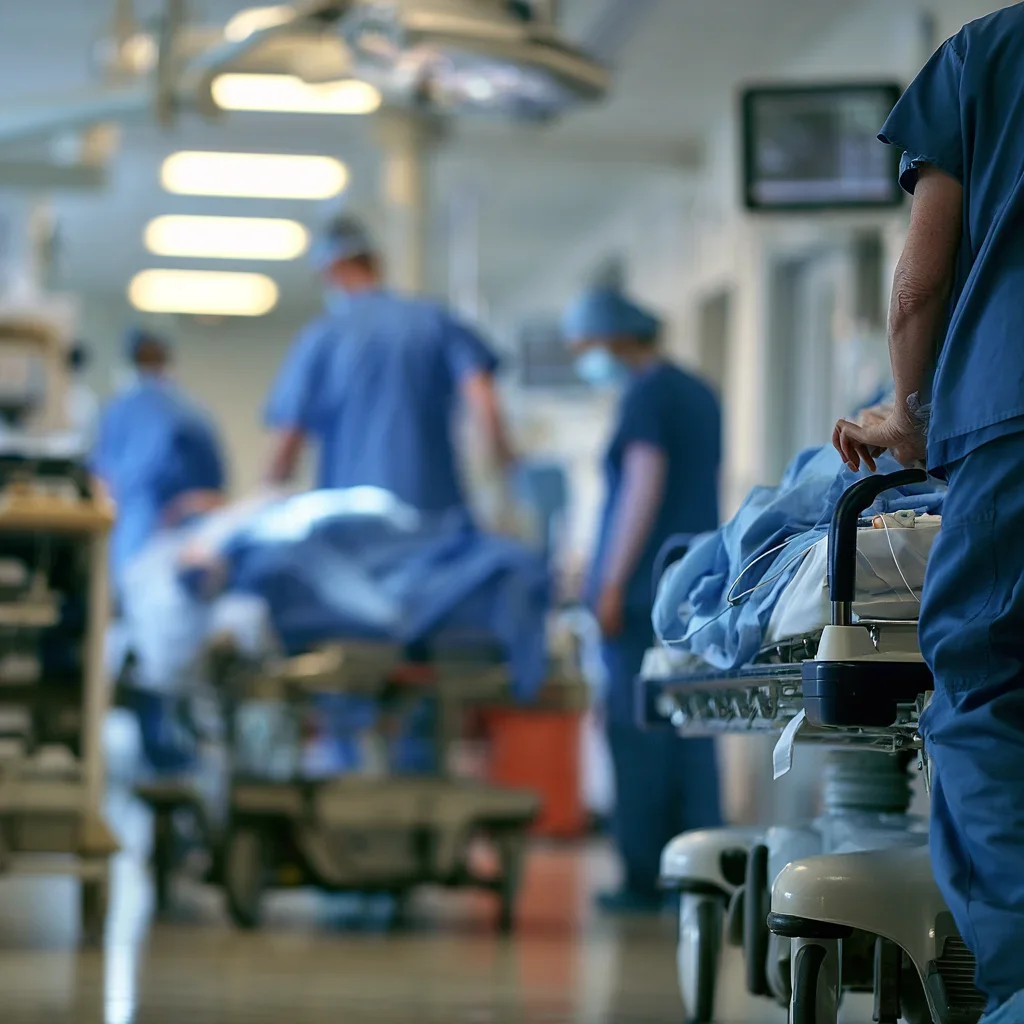
Diagnostic & Acute Care
Diagnostic imaging, pathology decoding, critical care protocols, and invasive bedside interventions.
Trainee Onboarding & Relocation

Visa & Immigration Support
We assist with immigration paperwork for clinical rotations, including hospital invitation letters, guidance for B1/B2 visa applications, and preparation for consular interviews.

Housing Assistance
We provide short-term furnished housing located within 30 minutes of the clinical site, with flexible lease terms matched to your rotation schedule.
Navigating the Baltimore Healthcare System
Stretching throughout Baltimore City and Baltimore County, the region’s dense healthcare corridors provide international medical graduates and students with immediate integration into high-volume urban health networks.
Trainees gain direct experience within health systems recognized for matching international doctors, navigating complex multi-system pathology across diverse patient demographics.
The clinical sites are readily accessible via MTA Metro SubwayLink, Light RailLink, and MARC commuter rail lines, allowing trainees to maintain efficient travel schedules while learning Maryland Board of Physicians documentation standards.
FAQs
What types of clinical rotation sites and hospital networks are available for IMGs in Baltimore?
1
Trainees complete supervised clinical placements across major health systems, academic teaching hospitals, and urban community health centers in Baltimore. Placements integrate students directly into active inpatient units, subspecialty consultation services, and safety-net health facilities throughout the Baltimore metropolitan area.
How does completing a clinical rotation in Baltimore strengthen an applicant’s ERAS portfolio?
2
Clinical engagement within Baltimore’s highly regarded healthcare ecosystem allows attending preceptors to evaluate your clinical adaptability, diagnostic accuracy, and patient communication, yielding authoritative, institutional Letters of Recommendation that carry distinct weight with residency selection committees.
What unique patient demographics and clinical settings will trainees encounter in Baltimore?
3
Placements expose trainees to diverse urban patient populations presenting with complex acute and chronic conditions, including cardiopulmonary diseases, metabolic disorders, infectious pathologies, and trauma care. Clinical learning takes place across tertiary medical centers, specialty centers, and community safety-net networks.
What is the daily learning environment and logistical workflow for trainees completing a placement in Baltimore?
4
Rotations integrate trainees directly into active clinical workflows. A standard daily routine includes early morning patient chart reviews, team-led clinical rounds, diagnostic lab and imaging analysis, and afternoon case debriefs with attending preceptors, supported by convenient transit and regional commuter links.
Begin Your Placement Application
Select your specialty, choose your clinical site, and submit your credentials to verify eligibility.