
Dermatology Clinical Rotations
Inpatient Dermatology Externships at U.S. Teaching Hospitals for International Medical Graduates and Students

DERM Clinical Placements
Teaching Hospital Rotations
Direct clinical placement and inpatient access in active residency-hosting hospitals and health systems.
Academic Medical Centers
Structured clinical rotations held at university health systems and primary clinical teaching affiliates.
Comprehensive Clinical Access
Inpatient hospital-based rotations that include patient rounds, hospital ID badge, and EMR access.
Hospital-Letterhead LORs
Individualized Letters of Recommendation authored by attending faculty on official institutional letterhead.
Dermatology Clinical Preceptors
Residency Affiliations
Preceptors who are involved in residency training, clinical rounds, and candidate selection.
Academic Appointments
Academic faculty who serve as Clinical Professors at U.S. medical schools.

Department Leadership
Attending physicians who are Department Chairs, Division Chiefs, and Clinical Directors.
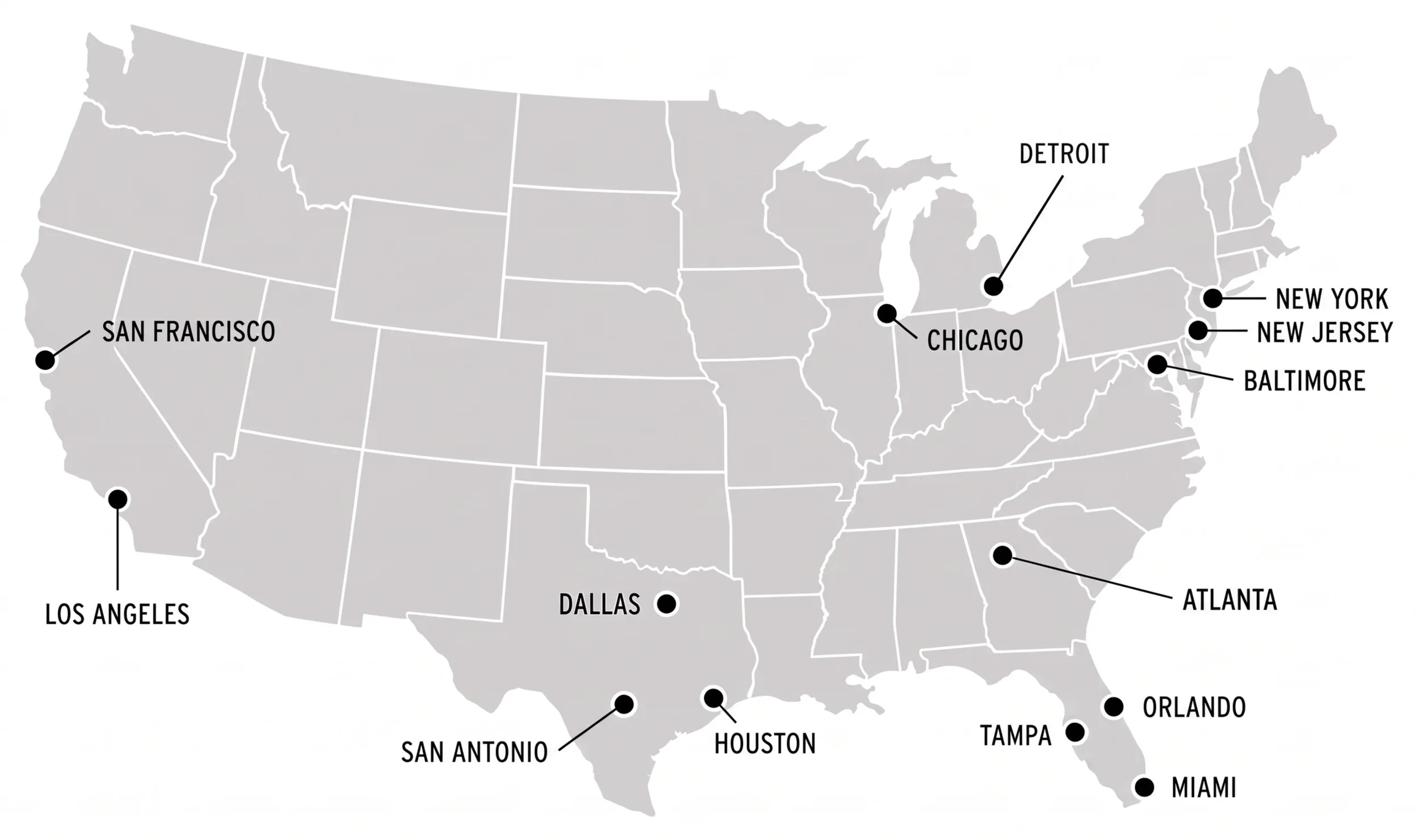
NATIONAL CLINICAL HUB NETWORK
Trainee Onboarding & Relocation

Visa & Immigration Support
We assist with immigration paperwork for clinical rotations, including hospital invitation letters, guidance for B1/B2 visa applications, and preparation for consular interviews.
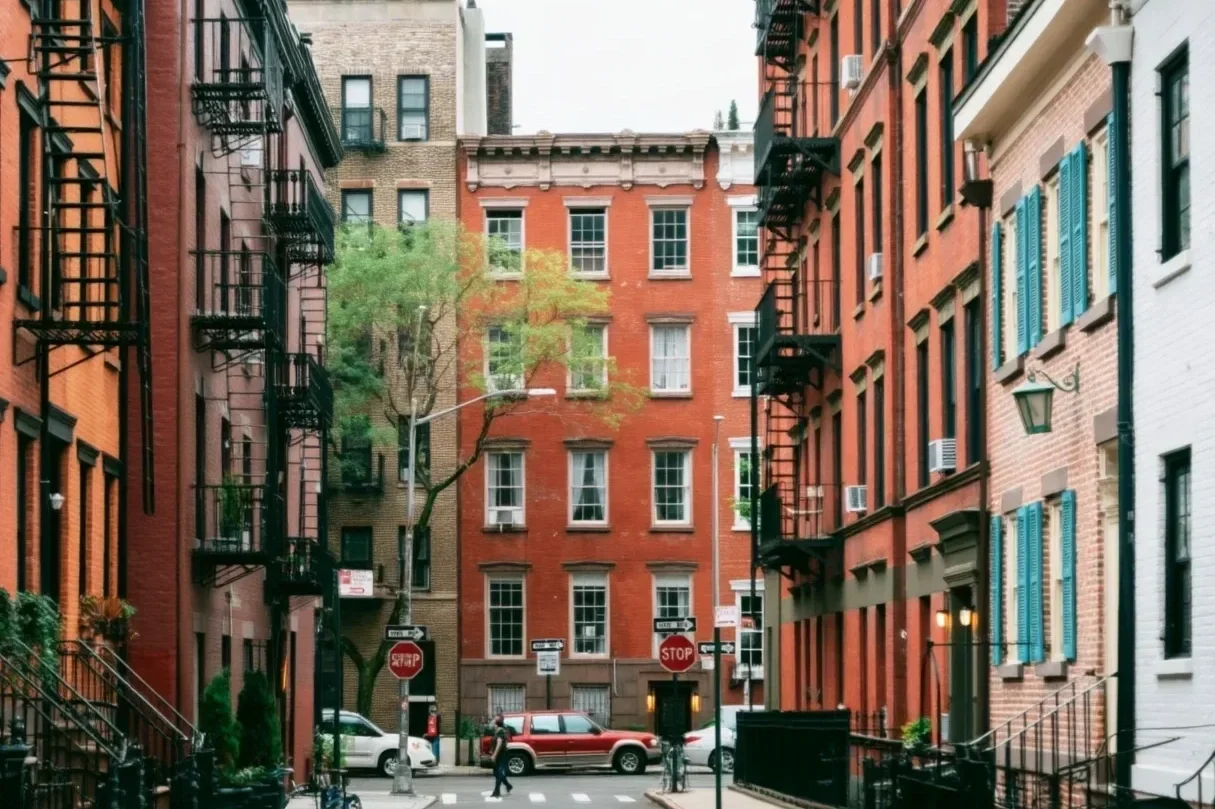
Housing Assistance
We provide short-term furnished housing located within 30 minutes of the clinical site, with flexible lease terms matched to your rotation schedule.
What to Expect in the Dermatology Rotation
As a highly competitive specialty with a selective residency match landscape, Dermatology places exceptional value on documented U.S. clinical performance and specialized clinical exposure.
Clinical placements focus on diagnostic evaluation of complex cutaneous conditions, procedural dermatologic care, and structured patient consultations.
These structured rotations allow trainees to build proficiency in specialized EMR documentation workflows, align with ACGME dermatologic competencies, and obtain high-yield Letters of Recommendation (LORs) from board-certified dermatologists.
FAQs
How are Dermatology clinical rotations structured for international medical graduates and students?
1
Trainees work under the direct supervision of board-certified attending dermatologists within hospital-affiliated healthcare networks and specialized clinical sites. Rotations emphasize patient evaluations, dermatologic terminology mastery, lesion morphology analysis, and active participation in preceptor-led case discussions.
How does a Dermatology rotation strengthen an applicant’s ERAS application for the Match?
2
Working alongside active clinical preceptors gives faculty a clear window into your diagnostic accuracy, lesion description skills, and professional demeanor, enabling attendings to write compelling, specialty-focused Letters of Recommendation on official letterhead that validate your readiness for competitive residency programs.
What core clinical competencies and dermatologic conditions will I encounter during the rotation?
3
Placements cover high-yield dermatology topics including inflammatory skin disorders, skin cancer screening protocols, dermatopathology basics, pediatric dermatoses, and cutaneous manifestations of systemic disease. Trainees refine their skills in history-taking, morphologic description, and evidence-based treatment selection.
What is the daily clinical schedule and learning environment for trainees on a Dermatology placement?
4
Daily activities mirror standard U.S. dermatology residency workflows, beginning with morning case chart reviews and clinical evaluations, followed by biopsy observation, dermatopathology slide reviews, and diagnostic management debriefs. International medical graduates and students regularly participate in daily didactic case presentations and clinical reasoning sessions.
Begin Your Placement Application
Choose your clinical site, confirm available start dates, and submit your credentials to verify eligibility.