
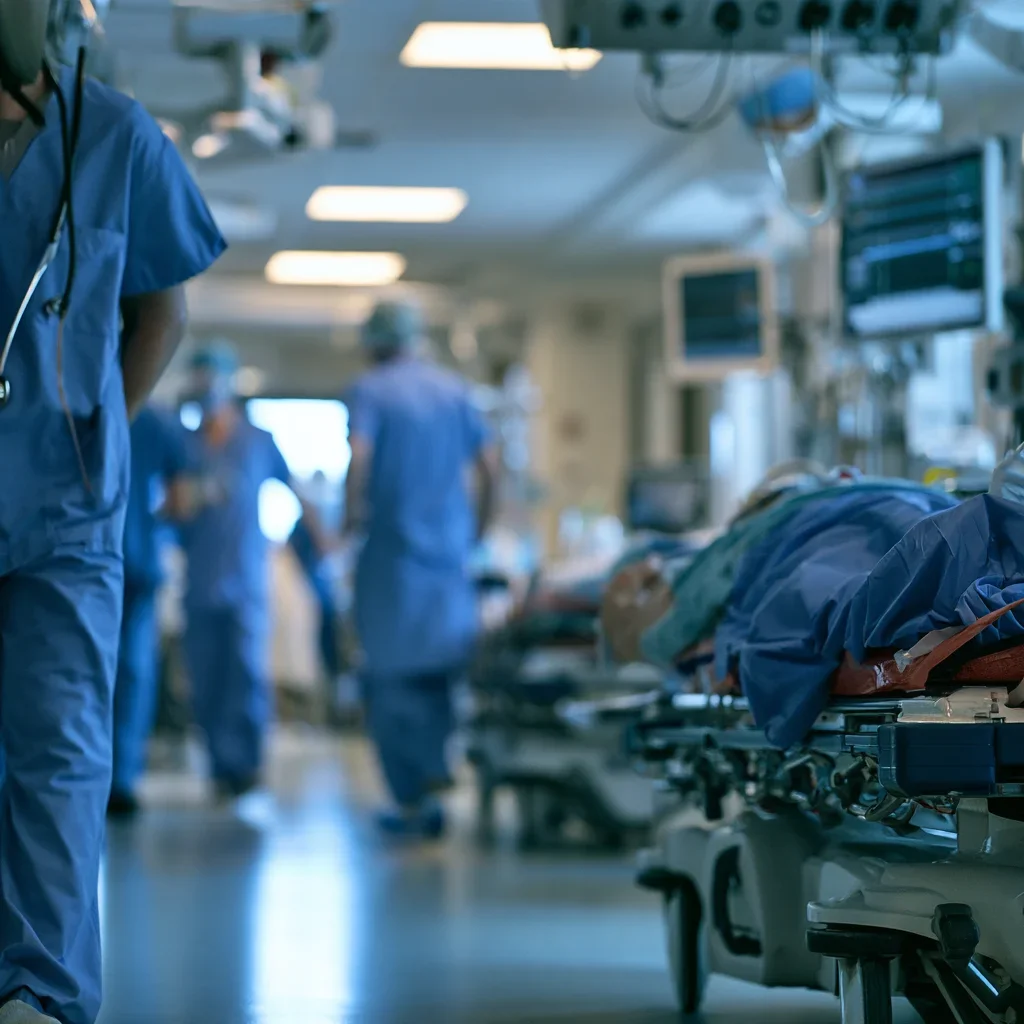
Pulmonology Clinical Rotations
Inpatient Pulmonology Externships at U.S. Teaching Hospitals for International Medical Graduates and Students

PULM Clinical Placements
Teaching Hospital Rotations
Direct clinical placement and inpatient access in active residency-hosting hospitals and health systems.
Academic Medical Centers
Structured clinical rotations held at university health systems and primary clinical teaching affiliates.
Comprehensive Clinical Access
Inpatient hospital-based rotations that include patient rounds, hospital ID badge, and EMR access.
Hospital-Letterhead LORs
Individualized Letters of Recommendation authored by attending faculty on official institutional letterhead.
Pulmonology Clinical Preceptors

Residency Affiliations

Preceptors who are involved in residency training, clinical rounds, and candidate selection.
Academic Appointments
Academic faculty who serve as Clinical Professors at U.S. medical schools.

Department Leadership
Attending physicians who are Department Chairs, Division Chiefs, and Clinical Directors.
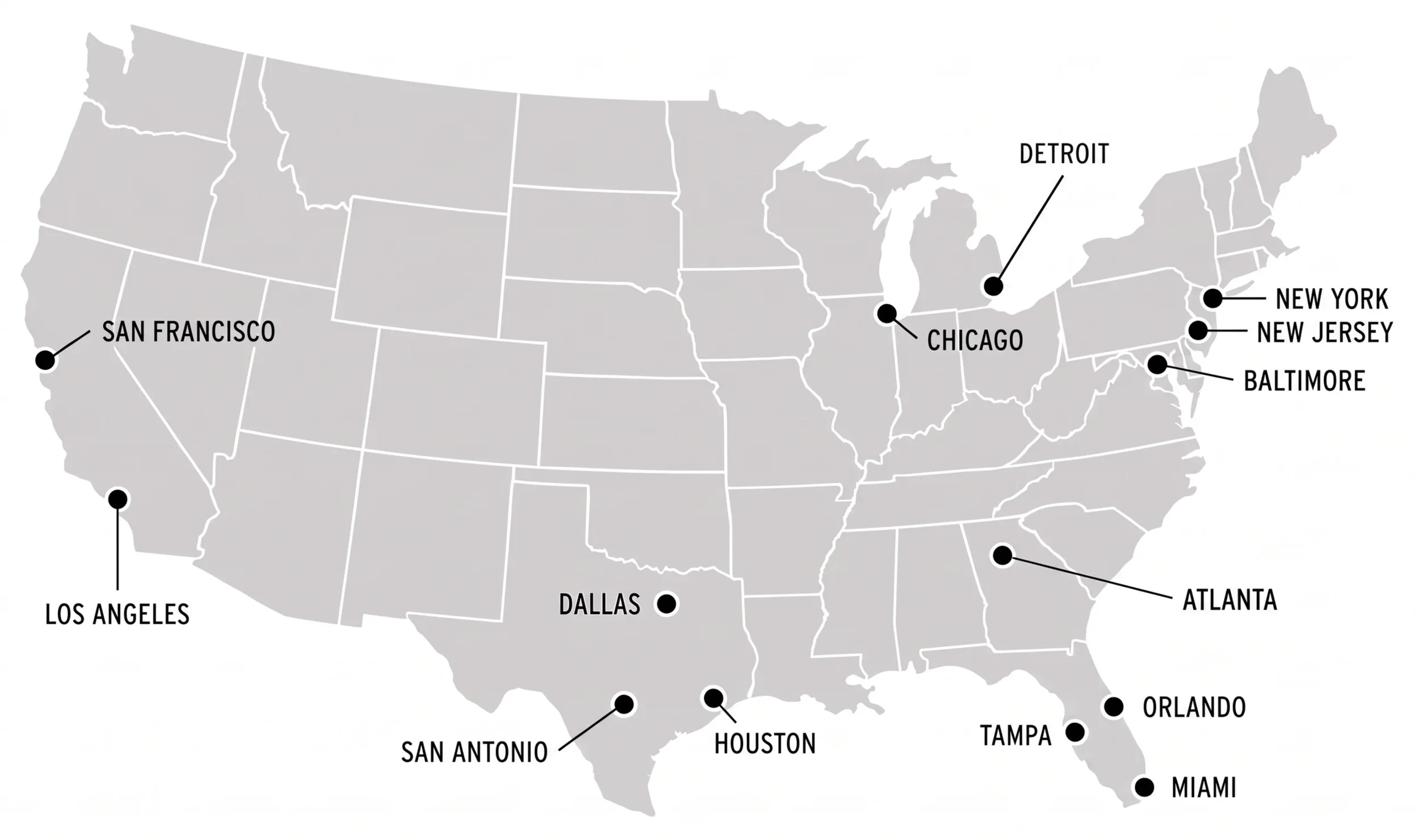
NATIONAL CLINICAL HUB NETWORK
Trainee Onboarding & Relocation

Visa & Immigration Support
We assist with immigration paperwork for clinical rotations, including hospital invitation letters, guidance for B1/B2 visa applications, and preparation for consular interviews.

Housing Assistance
We provide short-term furnished housing located within 30 minutes of the clinical site, with flexible lease terms matched to your rotation schedule.
What to Expect in the Pulmonology Rotation
Navigating acute respiratory failure protocols, mechanical ventilation parameters, and chronic obstructive airway diseases equips international medical graduates with essential expertise in high-yield pulmonary medicine.
Residency selection committees heavily prioritize applicants who demonstrate structured arterial blood gas interpretation and diagnostic bronchoscopy awareness, directly enhancing candidate profiles across internal medicine and critical care tracks.
Participating in these specialized clinical environments yields verifiable enterprise EMR entries, documented clinical competencies, and strong narrative evaluations from clinical faculty.
FAQs
How are Pulmonology clinical rotations structured for international medical graduates and students?
1
Trainees complete clinical learning under the direct supervision of board-certified attending pulmonologists within hospital health systems and specialized respiratory care centers. Rotations emphasize pulmonary function test (PFT) analysis, arterial blood gas (ABG) interpretation, thoracic imaging reviews, and active case debriefs.
How does a Pulmonology rotation strengthen an applicant’s ERAS application for the Match?
2
Direct patient evaluations alongside subspecialty faculty allow preceptors to assess your respiratory physiology reasoning, diagnostic accuracy, and complex ventilator management logic, yielding compelling, faculty-backed Letters of Recommendation for your ERAS portfolio.
What core clinical competencies and pulmonary conditions will I encounter during the rotation?
3
Placements cover high-yield respiratory conditions, including severe COPD exacerbations, refractory asthma, interstitial lung disease, pulmonary embolism protocols, pleural effusions, and obstructive sleep apnea. Trainees build advanced fluency in evaluating chest radiographs and CT scans, interpreting spirometry, and analyzing oxygenation parameters.
What is the daily clinical schedule and learning environment for trainees on a Pulmonology placement?
4
The clinical environment centers on direct subspecialty mentorship and active diagnostic analysis. Everyday schedules combine early morning chart reviews and ABG panel checks, attending-led inpatient consultative rounding, bronchoscopy procedure observations, and afternoon case discussions on targeted management plans.
Begin Your Placement Application
Choose your clinical site, confirm available start dates, and submit your credentials to verify eligibility.